
1959: The Great Leap Forward
SPECIALIZED GENERAL ASSEMBLY COMMITTEE
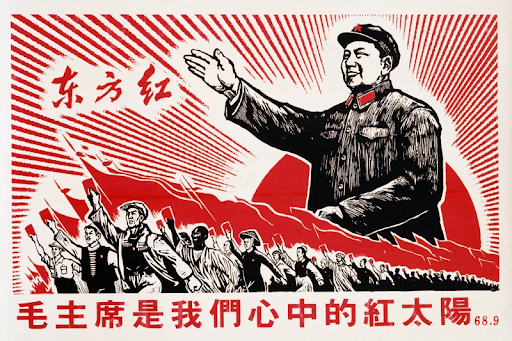
In 1949, the Chinese Communist Party emerged victorious from decades of civil war, ushering in a new era with Mao Zedong’s proclamation of the People’s Republic of China. What followed were years of consolidating power, experimenting with socialist policy, and steadily steering the nation toward a stricter interpretation of Marxist ideology. Now, nearly a decade later, Chairman Mao is prepared to ignite a sweeping transformation—one he believes will propel China past its rivals and into true revolutionary modernity. It is in this environment that the Great Leap Forward takes shape: an ambitious attempt to forge a classless society where the line between leader and laborer dissolves, at least as Mao imagines it.
By 1958, the Great Leap Forward was in full motion. Massive collectivization, backyard steel furnaces, and ideological campaigns are reshaping the fabric of Chinese society at breakneck speed. Yet by 1959, the consequences—political, social, and human—were becoming difficult to ignore. Across the nation’s sprawling bureaucracy, doubts simmer, alliances shift, and the façade of unanimous support begins to fracture.
This committee places delegates within the intricate machinery of the Chinese state in 1959, where political intrigue is constant and dissent lurks beneath every report and directive. Debates over ideology, loyalty, and responsibility blaze as fiercely as the furnaces meant to forge China’s future. You will confront the tensions between revolutionary fervor and pragmatic governance, between personal conviction and collective duty. The future of the Great Leap Forward hangs in the balance. Will you reform it, resist it, or push it even further?
The path is yours to shape—and the consequences will echo across a nation in flux.